Trézór Bridge®™ | Secure Crypto Connectivity
In today’s fast-evolving digital finance landscape, safeguarding your cryptocurrency assets is paramount. With hackers, phishing scams, and malware attacks on the rise, hardware wallets like Trezor have emerged as the gold standard for secure crypto custody. Among the key components that power secure interactions between your computer and your Trezor device is Trézór Bridge®™ — an essential piece of infrastructure in the Trezor ecosystem.
Whether you are accessing Trezor Suite, completing a Trezor Login, updating firmware, or exploring new decentralized apps (dApps), Trezor Bridge acts as the secure communication layer that connects your hardware wallet to your desktop browser. In this article, we’ll walk through what Trézór Bridge®™ is, how it works, why it matters, and how you can benefit from it as a crypto enthusiast.
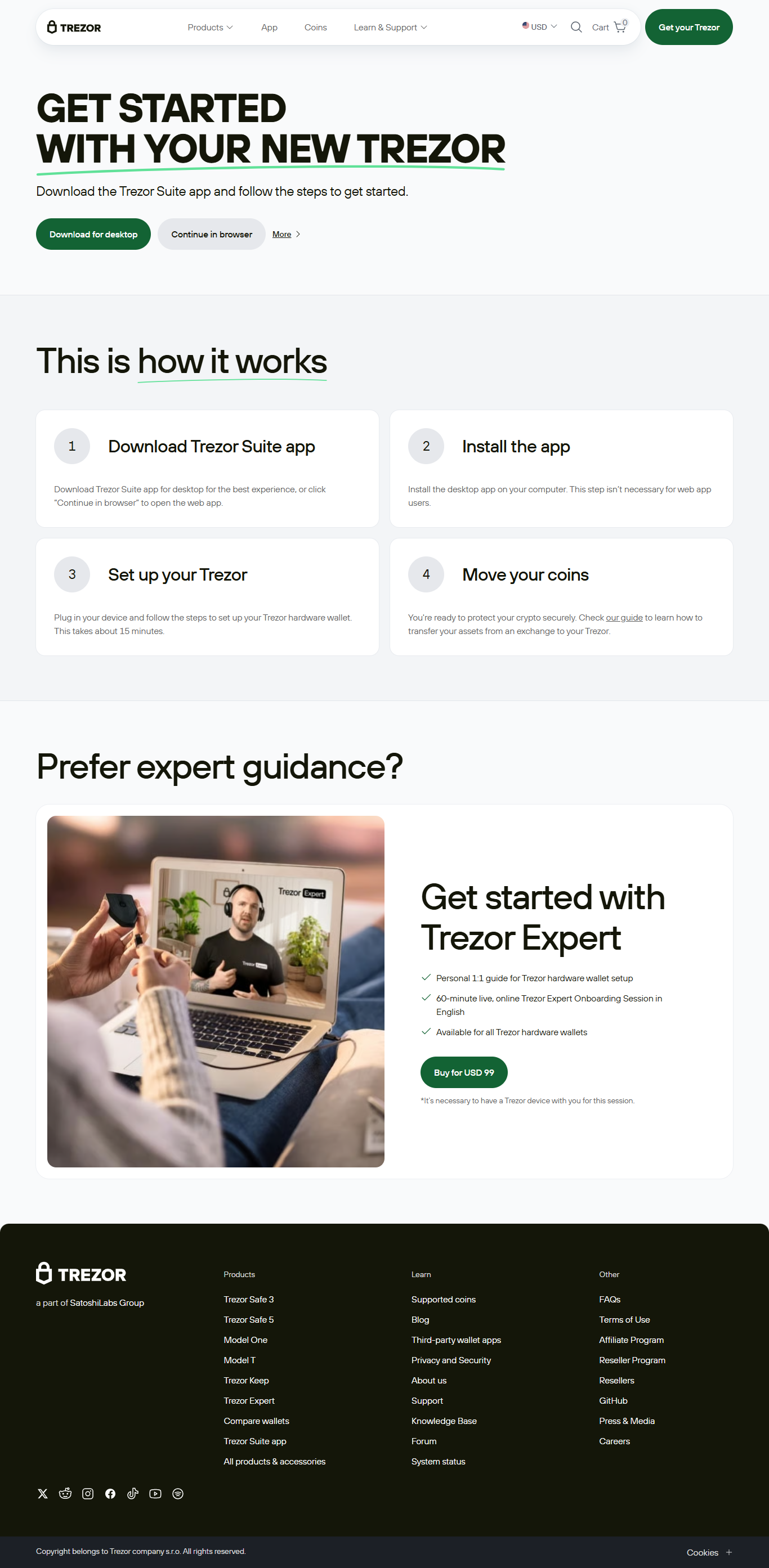
To begin your setup, you can always visit trezor.io/start — the official onboarding gateway for Trezor products.
What Is Trézór Bridge®™?
Trézór Bridge®™ is a secure communication application developed by SatoshiLabs, the company behind Trezor hardware wallets. It runs locally on your computer and enables browsers to recognize and interact with your Trezor device whenever it is connected via USB.
Unlike direct USB access, which is restricted by modern browsers for security and compatibility reasons, Trezor Bridge acts as a trusted intermediary. It ensures that when you use Trezor Login trezor suite, sign transactions, or manage your crypto assets, all data transfers are encrypted, verified, and safe from unauthorized access.
👉 Visit https://trezor.io/start to download the official Trezor Bridge installer and follow guided steps for installation.
Why Secure Connectivity Matters
Cryptocurrency transactions are irreversible. A single compromised signing event can lead to permanent loss of funds. With this in mind:
Secure connectivity ensures that transaction data shown on the host computer is never intercepted or tampered with.
Trezor Suite provides a clean interface for managing assets, but the communication under the hood is handled by Trézór Bridge®™.
Every time you unlock your device via Trezor Login trezor suite, a secure handshake between your browser and Trezor hardware triggers.
The bridge functions like a “trusted channel” so your private keys never leave the hardware wallet, while still allowing web apps to request signatures in a safe manner.
How Trezor Bridge Works
At a high level, trezor bridge performs these essential functions:
Device Recognition – When you connect your Trezor hardware to a computer, the Bridge detects it and establishes a trusted communication channel.
Browser Integration – Because modern browsers limit direct USB access for security reasons, the Bridge enables supported browsers (Chrome, Firefox, Edge, etc.) to communicate with your hardware wallet safely.
Data Security – Sensitive data such as public keys, transaction details, and firmware updates are protected through encryption and strict protocol rules.
Cross-Platform Support – Trezor Bridge works on Windows, macOS, and Linux devices, making it universally compatible with most crypto users.
Seamless User Experience – Whether you are performing a Trezor Login trezor suite or interacting with a dApp, the presence of the Bridge ensures the experience is smooth and secure.
To set up pin-secure access and ensure proper connection, the official resource at trezor.io/start gives step-by-step setup instructions.
Trezor Suite & Trezor Login trezor suite
At the heart of your Trezor experience is Trezor Suite — the official desktop interface for managing your crypto portfolio. When you launch Trezor Suite, the first thing it will prompt you to do is a Trezor Login trezor suite process.
This typically includes:
Entering your device passphrase or PIN
Connecting your Trezor hardware via USB
Authorizing access via Trezor Bridge
Once logged in, you can:
View portfolio balances
Send and receive crypto
Connect with decentralized apps
Manage coins and tokens
Update device firmware
Because authentication is tied to your hardware device and not just a password, security is significantly stronger than software-only wallets.
👉 For new users, head to trezor.io/start to begin your journey with Trezor Suite.
Trezor Bridge vs Other Connectivity Options
Some users compare trezor bridge with other connectivity solutions like browser extensions or direct USB access. Here’s why Bridge stands out:
FeatureTrezor BridgeBrowser ExtensionDirect USBSecurity⭐⭐⭐⭐⭐⭐⭐⭐⭐⭐Compatibility⭐⭐⭐⭐⭐⭐⭐LowEase of Use⭐⭐⭐⭐⭐⭐⭐⭐⭐Supported BrowsersBroadLimitedLimitedUpdates/SupportFrequentInconsistentUnsupported
Ultimately, Bridge strikes a balance between security and usability, delivering the recommended environment for Trezor devices.
Setting Up Trezor Bridge
Setting up Trezor Bridge is straightforward:
Visit https://trezor.io/start
Select your operating system (Windows/macOS/Linux)
Download the installer
Run the installer and allow it to establish local services
Connect your Trezor device
Open Trezor Suite or a compatible web app
Once installed, your browser will automatically communicate with the Bridge whenever a Trezor device is connected.
⚠️ Always download Bridge only from trezor.io/start — this ensures you get the official, secure version.
Keeping Trezor Bridge Up to Date
Security isn’t static. The team behind Trezor regularly patches and updates trezor bridge to fix vulnerabilities, improve compatibility, and enhance performance. Therefore:
Check for updates periodically
When Trezor Suite prompts for a new Bridge release, follow the instructions
Avoid third-party mirrors or downloads
If you ever encounter connection issues, reinstalling Bridge from trezor.io/start usually resolves the problem.
Trezor Bridge & Decentralized Apps (dApps)
One of the big advantages of using Trezor Bridge is that it enables secure interaction with decentralized apps without exposing private keys. Popular dApp categories include:
Decentralized exchanges (DEXs)
Lending platforms
NFTs and marketplaces
DeFi aggregators
Through Bridge, when a dApp requests a signature (e.g., to approve a transaction), your Trezor device will display the details on its screen. You manually approve or deny it — ensuring you remain in full control.
This is an important distinction from software wallets that may automatically approve requests without physical confirmation.
Troubleshooting Common Bridge Issues
❗ Trezor Not Detected?
Make sure trezor bridge is running
Try a different USB cable (no charging-only cables)
Reboot your computer
Reinstall from trezor.io/start
❗ Browser Doesn’t Prompt?
Update your browser
Disable conflicting extensions
Ensure Bridge is up–to–date
❗ Trezor Suite Won’t Open?
Update Suite to the latest version
Reconnect your device
Check Bridge installation status
Final Thought
Trezor Bridge®™ is more than just a background utility — it’s the secure backbone that empowers trusted crypto transactions and safe hardware wallet connectivity. In a world where digital assets are constantly under threat, having a proven communication layer between your device and browser is non-negotiable.
Whether you’re performing a Trezor Login trezor suite, connecting to decentralized applications, or simply checking your balance, Bridge ensures that your interactions remain secure, seamless, and transparent. Always download and install the official version from trezor.io/start, and stay current with updates to maximize protection.
Embrace secure connectivity, protect your keys, and enjoy peace of mind in your crypto journey.
10 Frequently Asked Questions (FAQs)
1️⃣ What is Trézór Bridge®™?
Trézór Bridge®™ is a secure communication intermediary that allows your computer and browser to connect safely with your Trezor hardware wallet.
2️⃣ Why do I need Trezor Bridge?
Modern browsers restrict direct USB access for security. Bridge enables safe, encrypted communication required for Trezor Login and transaction signing.
3️⃣ Where can I download Trezor Bridge?
The official download link is available at trezor.io/start.
4️⃣ Does Trezor Bridge work on all operating systems?
Yes — Windows, macOS, and Linux are supported.
5️⃣ Is Trezor Bridge safe?
Yes. It runs locally and does not transmit your keys or sensitive data externally.
6️⃣ Can I use Bridge with decentralized apps?
Absolutely — Bridge enables secure dApp connections with your hardware wallet.
7️⃣ How do I update Trezor Bridge?
Updates are provided through prompts in Trezor Suite or via trezor.io/start.
8️⃣ What if my browser doesn’t detect my Trezor?
Ensure Bridge is installed, check your USB cable, and restart the browser.
9️⃣ Do I need Trezor Suite to use Bridge?
Trezor Suite is recommended but Bridge also works with compatible web apps.
🔟 Is Trezor Bridge open source?
Yes. The codebase is open and can be audited for security.